Marketing
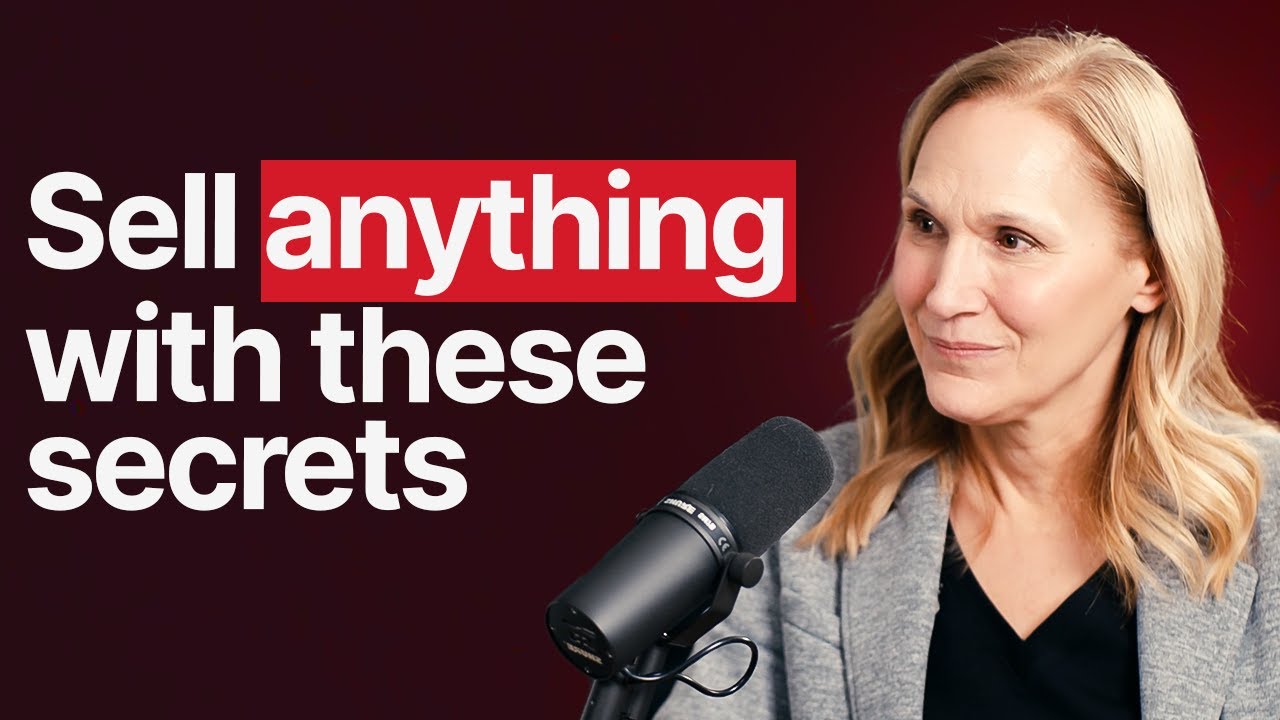
The Marketing Expert: Sell Anything with this Trick | April Dunford

youtube.com/@tkppodcast
27 Feb 2024 · Marketing
72 min watch → 3 min
A strong product position sets the context that tells buyers what a product is, why it is different, and who it is for. In B2B, the safest path is often to dominate a narrow niche first, then expand as buyers gain confidence.
Positioning fundamentals
Positioning defines how a product is the best in the world at delivering specific value to a well-defined customer group
It sets the context that tells buyers what alternatives you compete with, what value to expect, who buys it, and what price feels plausible
2 / 19
A product can stay technically the same while its position changes completely
Calling double chocolate salted caramel cake a muffin shifts competitors from desserts to breakfast foods, changes expected price, and reframes the use case
3 / 19
Many companies never deliberately choose a position, they inherit it from the founder's original idea
Over time the product evolves until customers no longer see it the way the company does
4 / 19
Calling a product a CRM instantly triggers assumptions: competing with Salesforce, serving a head of sales, tracking deals through a pipeline
The category label, customer relationship management system, sets buyer expectations for features, users, and pricing below the category leader
5 / 19
At Jana Systems, competing as enterprise CRM against Siebel failed because Siebel had 2 billion in revenue while Jana had 2 million
Repositioning as CRM for investment banks worked because one distinctive feature solved a problem Siebel could not address in that segment
6 / 19
The most common way tech companies win against a dominant incumbent is to position for an underserved subsegment, dominate that niche, then expand outward
A narrow initial position can be the first step in a sequence: CRM for investment banks, then retail banking, then insurance, then broad enterprise CRM
7 / 19
Salesforce started below enterprise CRM, selling cloud-hosted CRM to small businesses without IT departments, then moved upmarket while Siebel ignored that segment
8 / 19
B2B positioning differs from consumer positioning in three ways
1
Purchases usually involve 5 to 11 stakeholders, not one buyer
2
Buyers need an explainable business case to justify the decision
3
Value is judged mainly on helping a company make money or save money
9 / 19
B2B purchase processes
40 to 60%
of B2B purchase processes end in no decision because fear of making a bad choice stops buyers
Positioning must help buyers confidently choose you over alternatives and over doing nothing
10 / 19
A homepage should communicate three things within seconds
1
Who the product is for, the specific customer group it serves
2
What differentiated value it delivers that alternatives do not
3
Why that difference is worth paying for
11 / 19
Weak positioning creates false assumptions that sales must undo, while strong positioning makes buyers quickly understand what the product is and why it matters
12 / 19
A common positioning failure is mistaking features for value
Buyers often understand what a feature does but still do not understand why it matters enough to pay for it
13 / 19
Repositioning cannot fix a product with no real market
A database that reduced a three-day bank query to seconds only solved an urgent problem for about 10 companies worldwide, making the addressable market too small
14 / 19
Customer discovery, interviewing potential buyers before building, tests assumptions about pain, willingness to pay, and market size
Startups often skip it or get misleading answers that later force a pivot
15 / 19
Positioning should be judged by buyer response, not by whether a general audience understands it
Specialized B2B products only need to resonate with the specialized buyers who actually purchase them
16 / 19
Positioning is not a marketing-only exercise because changing competitors, target customers, and differentiated value changes the business itself
Product, sales, marketing, customer success, support, and the CEO should align on positioning together
17 / 19
Category creation only makes sense when a genuinely new market is emerging
Forcing a new category when a product clearly fits an existing one usually confuses buyers who just want to know which familiar bucket it belongs in
18 / 19
Read the full source
The Marketing Expert: Sell Anything with this Trick | April Dunford
youtube.com
The Knowledge Project Podcast
19 / 19
Carouse
Turn any article, video, or podcast into a carousel you can browse in 30 seconds.